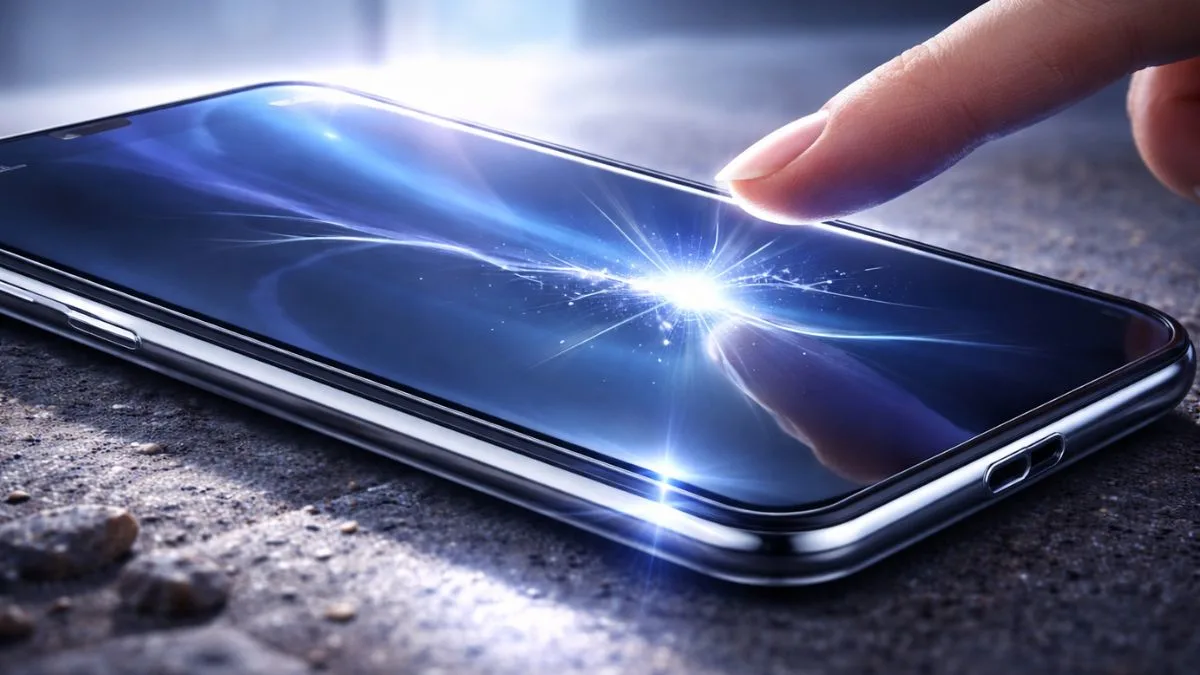
Scratches are one of the biggest problems smartphone users face. Even if you take good care of your phone, small scratches appear over time. Keys in your pocket, dust, or placing the phone on a table can slowly damage the surface. In 2026, this problem may finally have a solution. Smartphones that can heal their own scratches are expected to become a real thing.
This sounds like science fiction, but the technology already exists in other industries. Phone makers are now working to bring it into smartphones.
What Is Self-Healing Smartphone Technology?
Self-healing technology allows a phone’s surface to repair small scratches on its own without any user action. Instead of staying damaged, the phone slowly returns to its original smooth look.
This works using special materials that react to:
- Heat
- Pressure
- Time
When a scratch appears, the material moves back into place and fills the damaged area.
How Do Self-Healing Screens Work?
Self-healing phones use advanced coatings placed on top of the glass or body.
Here is how the process works in simple terms:
- A scratch appears on the phone surface
- The special coating detects damage
- Heat from your hand or normal room temperature activates the material
- The scratch slowly fades away
This process can take minutes or a few hours, depending on the material.
Types of Self-Healing Materials
1. Polymer-Based Coatings
These coatings are flexible and can move at a microscopic level.
Benefits include:
- Small scratches disappear naturally
- No effect on screen clarity
- Works without electricity
This is one of the most promising options for smartphones.
2. Heat-Activated Materials
Some materials repair themselves faster when they feel warmth.
Examples:
- Heat from your hand
- Phone warming during use
- Normal sunlight
These materials make healing faster and more reliable.
3. Liquid Crystal Layers
Advanced phones may use liquid-based layers under the glass.
Why this matters:
- Very fast repair
- Smooth surface after healing
- High durability
This technology is still expensive but may improve by 2026.
Where Will Self-Healing Be Used on Phones?
Self-healing technology will not be limited to screens only.
Possible areas include:
- Front display
- Back glass
- Phone edges and frame
- Camera lens cover
This means the entire phone could stay clean and scratch-free for a long time.
Benefits for Smartphone Users
Self-healing phones can change how people use their devices.
Main Benefits:
- Phone looks new for longer
- Less need for screen protectors
- Fewer repair costs
- Better resale value
- More confidence in daily use
Users will worry less about small damage and enjoy their phones more.
Limitations You Should Know About
Self-healing technology is powerful, but it is not magic.
Important limits:
- Deep cracks will not heal
- Sharp impacts can still break glass
- Healing works best on small scratches
Phone companies will still focus on combining self-healing with strong materials.
When Will These Phones Arrive?
Some early versions of self-healing coatings already exist today. However, mass production for smartphones needs time.
By 2026:
- Premium phones may adopt this tech first
- Costs are expected to drop
- Performance will improve
Over time, this feature may become standard, just like water resistance.
What This Means for the Future
Self-healing smartphones are a big step toward low-maintenance devices. Phones will last longer, look better, and require fewer accessories. This also supports sustainability, as fewer phones will be replaced due to cosmetic damage.
Final Thoughts
Smartphones that heal their own scratches are no longer just an idea. With fast progress in materials science, this technology is moving closer to reality. In 2026, your phone may fix small damage by itself while you use it normally.
The future of smartphones is not only smart software, but smart materials that protect your device every day.

Atif Shaikh is a technology and automobile content writer who covers smartphones, cars, bikes, and upcoming product launches.