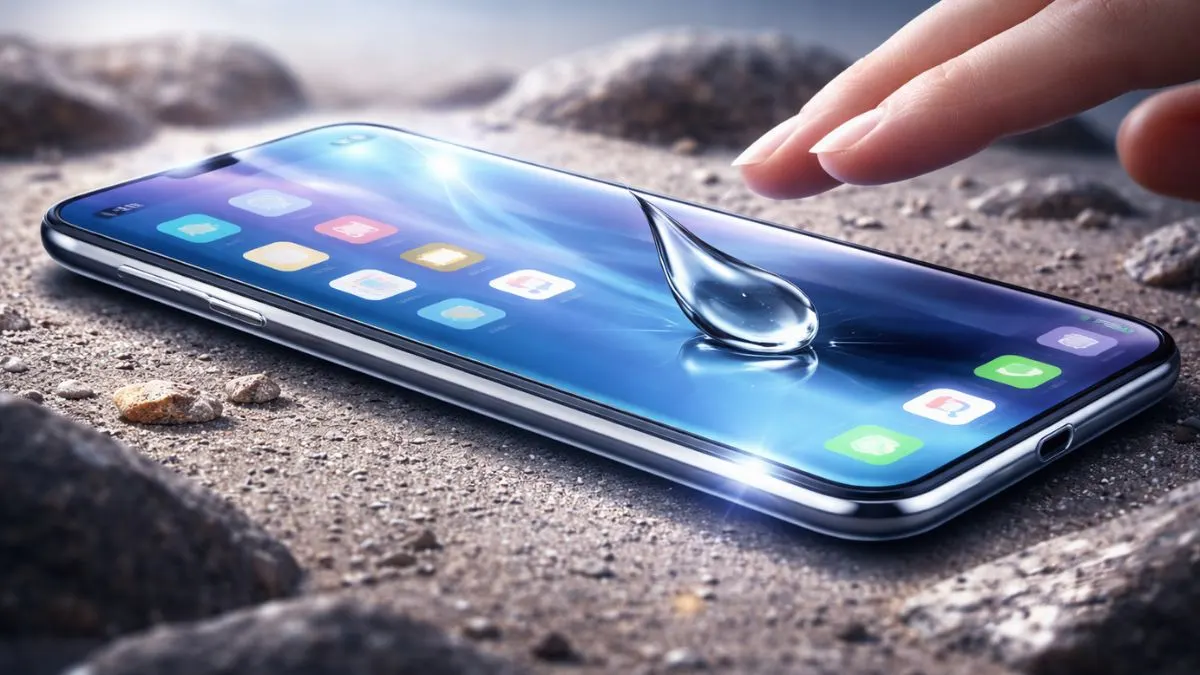
Most people buy a phone case the same day they buy a new phone. The reason is simple. Smartphones are expensive, fragile, and easy to scratch or crack. Even a small drop can damage the screen or back glass. In 2026, this habit may finally change. New scratch-proof and damage-resistant phone technology could make phone cases unnecessary for many users.
In this article, we will explain how scratch-proof phones work, what new materials are being developed, and how this technology could change the way we use smartphones.
Why Phones Need Cases Today
Modern phones look premium, but they are not very strong. Glass backs and large displays are beautiful, but they break easily.
Common problems users face:
- Scratches on the screen
- Cracked back glass
- Damage from small drops
- Wear and tear over time
Phone cases help, but they also add weight, hide the phone design, and collect dust. This is why phone companies are trying to solve the problem at the material level.
What Is Scratch-Proof Phone Technology?
Scratch-proof phones use advanced materials and coatings that protect the device without extra accessories. Instead of adding protection from the outside, the phone itself becomes stronger.
This technology focuses on:
- Stronger glass
- Protective coatings
- New frame materials
By 2026, these technologies are expected to reach mass production.
New Materials Making Phones Tougher
1. Advanced Ceramic Glass
Ceramic glass is much stronger than traditional smartphone glass.
Benefits include:
- Higher resistance to scratches
- Better protection against drops
- Clear display with no quality loss
Some premium phones already use ceramic materials, but by 2026 this could become common.
2. Self-Healing Coatings
One exciting innovation is self-healing phone surfaces.
How it works:
- Tiny scratches disappear over time
- Heat or pressure helps repair the surface
- Keeps the phone looking new for longer
This technology is already used in cars and may soon arrive in smartphones.
3. Sapphire-Based Screens
Sapphire is one of the hardest materials after diamond.
Why it matters:
- Extremely scratch resistant
- Used in luxury watches
- Can survive keys, coins, and rough surfaces
By 2026, improved manufacturing could make sapphire screens affordable for more phones.
Stronger Phone Frames
Phones are not just glass. Frames also matter.
New frame materials include:
- Titanium alloys
- Reinforced aluminum
- Hybrid metal designs
These materials make phones:
- More durable
- Less likely to bend
- Better protected during drops
This means fewer broken phones even without a case.
Benefits of Case-Free Phones
If phones no longer need cases, users will enjoy many advantages.
Main Benefits:
- Slimmer and lighter phones
- Original design stays visible
- No need to buy extra accessories
- Better grip with textured materials
- Easier pocket use
For many users, this will feel like a big upgrade.
Are Phone Cases Going Away Completely?
Phone cases will not disappear overnight. Some users will still prefer extra protection, especially for rough use. However, in 2026, many phones may be strong enough for daily use without a case.
This shift is similar to how water resistance became standard. What was once a premium feature is now expected.
What This Means for Users in 2026
In 2026, buying a new phone may feel different. Instead of shopping for cases and screen protectors, users may trust the phone itself. Scratch-proof technology will give people more confidence and freedom.
Phones will last longer, look better, and feel more premium without extra layers.
Final Thoughts
Scratch-proof phones are no longer just a concept. With stronger glass, self-healing coatings, and tougher frames, smartphones are becoming more durable than ever. By 2026, your phone may stay clean and scratch-free even without a case.
The future of smartphones is not just smarter software, but stronger and more reliable hardware that fits real-world use.

Atif Shaikh is a technology and automobile content writer who covers smartphones, cars, bikes, and upcoming product launches.