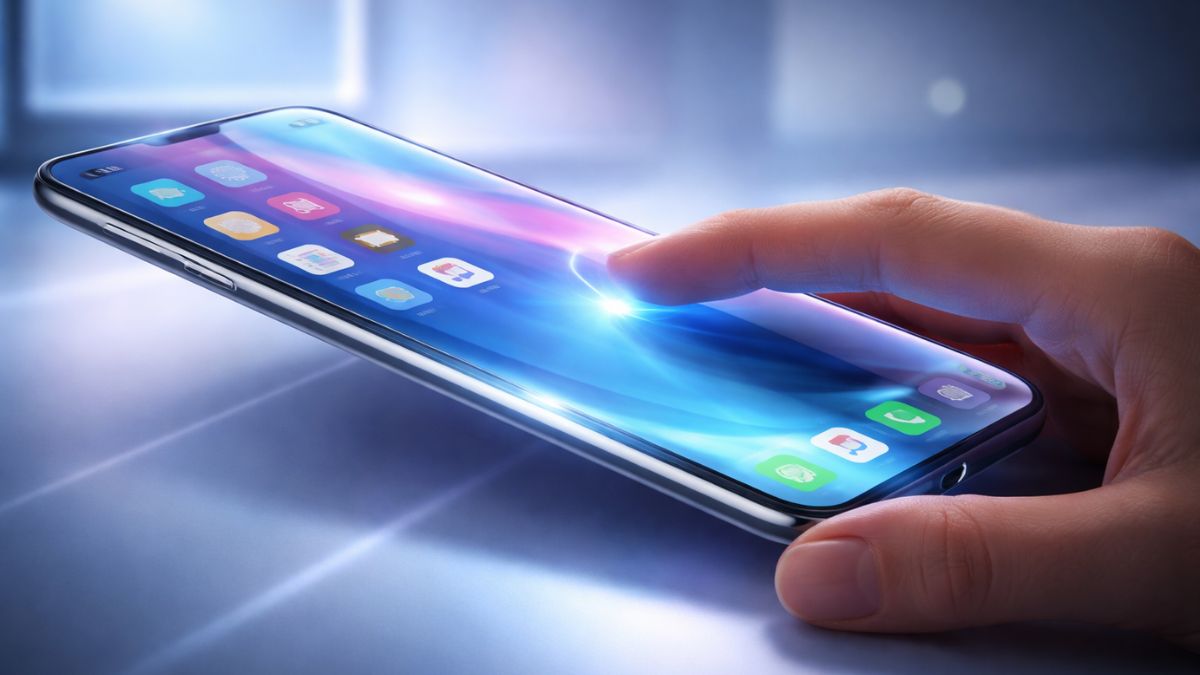
Smartphones have changed a lot in the last ten years, but one thing has stayed almost the same: buttons. Power buttons, volume buttons, and sometimes extra keys are still part of every phone. In 2026, this may finally change. Many tech experts believe that phones without physical buttons could become a real trend. These phones will look cleaner, feel more modern, and work in completely new ways.
In this article, we will explain how buttonless phones will work, why companies want to remove buttons, and what this means for users.
Why Companies Want to Remove Buttons
Phone brands are always looking for ways to improve design and durability. Physical buttons create small gaps in the phone body. These gaps can cause problems.
Here are the main reasons brands want buttonless phones:
- Buttons can break over time
- Dust and water can enter through button gaps
- Buttons limit phone design
- Fewer parts mean fewer repairs
By removing buttons, phones can become stronger, slimmer, and more resistant to water and dust.
How Will Buttonless Phones Work?
If there are no buttons, the phone still needs ways to turn on, control volume, and lock the screen. Companies are already testing new solutions.
1. Pressure-Sensitive Areas
Instead of buttons, phones may use pressure-sensitive sides.
When you press a specific area on the phone frame, sensors detect the pressure.
- Light press for volume up
- Hard press for power
- Custom actions for different presses
This technology already exists in some form and will improve by 2026.
2. Touch and Swipe Gestures
Gestures will play a bigger role in buttonless phones.
Examples include:
- Double tap the screen to wake the phone
- Swipe on the edge to change volume
- Long press on the display to lock the phone
These gestures will be simple and customizable.
3. Voice Commands
Voice control will become more advanced and reliable.
Users may say:
- “Turn volume up”
- “Lock my phone”
- “Restart device”
With better AI, phones will understand commands faster and even work offline for basic tasks.
4. Haptic Feedback
Without buttons, phones still need to feel responsive.
This is where haptic feedback comes in.
- The phone vibrates slightly when you press a virtual button
- Different vibrations for different actions
- Makes buttonless controls feel natural
This helps users know their action worked.
Benefits of Phones Without Buttons
Buttonless phones are not just about looks. They offer real advantages.
Key Benefits:
- Better water and dust resistance
- Cleaner and more modern design
- Fewer mechanical failures
- Easier to clean
- More space for battery or sensors
For users, this can mean longer-lasting phones and fewer repair issues.
Possible Problems and Concerns
Every new technology has challenges. Buttonless phones are no different.
Some concerns include:
- Learning new controls may take time
- Accidental touches on pressure areas
- Voice commands may not work well in noisy places
Phone makers will need to focus on accuracy and user settings to avoid these problems.
What This Means for Users in 2026
By 2026, buttonless phones may not fully replace traditional phones, but they will likely become common in premium models. Over time, users will get used to new controls, just like they did with gesture navigation.
Buttonless phones represent a step toward simpler and smarter devices. They remove old limitations and open the door to new designs and features.
Final Thoughts
Phones without buttons are not science fiction anymore. With better sensors, smarter AI, and improved haptics, this idea is becoming realistic. In 2026, you may hold a phone that looks like a smooth piece of glass and metal, with no buttons at all, yet easier to use than ever.
The future of smartphones is about less hardware and more intelligence, and buttonless phones are a big part of that future.

Atif Shaikh is a technology and automobile content writer who covers smartphones, cars, bikes, and upcoming product launches.