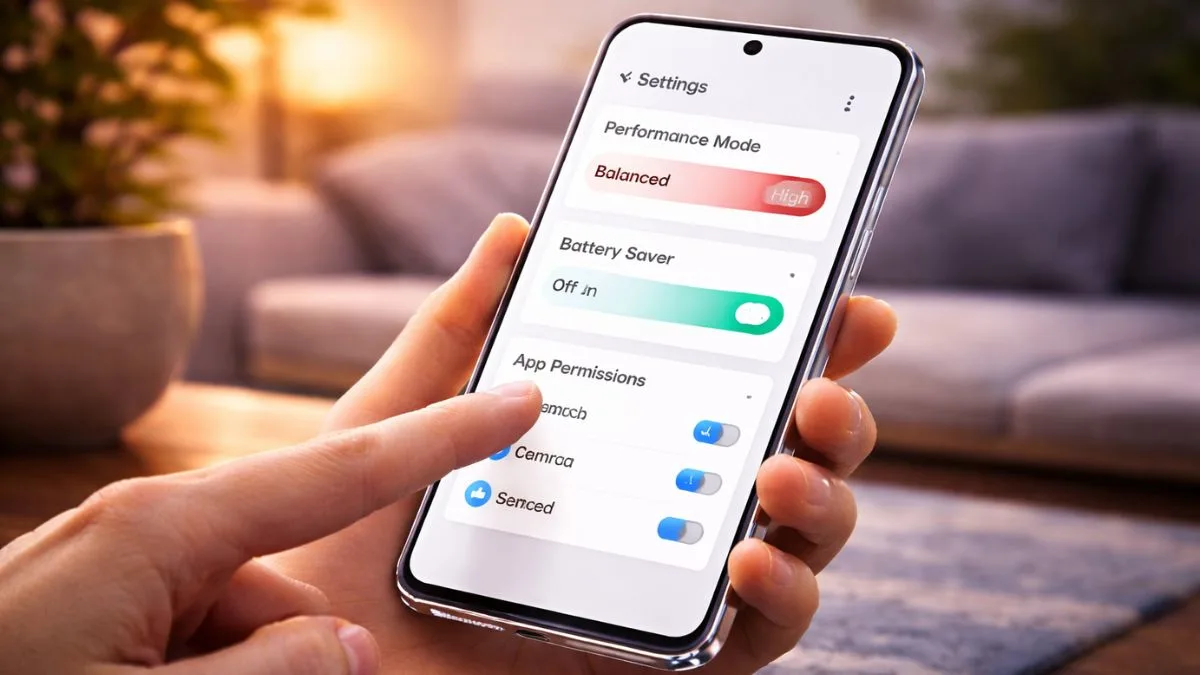
Smartphones in 2026 are more powerful than ever. They have fast processors, sharp cameras, and bright displays. On paper, they look perfect. But many users are starting to notice something important. Most 2026 smartphones are missing one key thing, and it affects daily use more than people realize.
This missing piece is not about speed or design. It is about user control.
Smartphones Are Getting Smarter, But Users Are Not in Control
Modern phones can do many things automatically. They manage apps, control background activity, and decide how resources are used. While this sounds helpful, it also creates a problem.
In many 2026 smartphones:
- The phone decides too much
- Users cannot change important settings easily
- Simple controls are hidden deep in menus
People feel their phones are smart, but not always flexible.
Custom Control Is What Users Want
Every user is different. Some want maximum battery life. Others want full performance all the time. But most 2026 phones offer very limited control options.
Users are missing:
- Easy performance modes
- Clear battery control settings
- Simple ways to manage background apps
Instead of choice, phones force one style on everyone.
Battery Control Is Too Automatic
Battery life is a major concern in 2026. Phones try to save power automatically, but sometimes they do it in the wrong way.
Common complaints include:
- Apps closing in the background
- Notifications arriving late
- Performance dropping without warning
Users want to decide when to save battery and when to use full power. Most phones do not allow this clearly.
Performance Feels Restricted
Many phones in 2026 are very powerful, but they do not always feel fast. This is because software limits performance to control heat and battery.
Users notice:
- Slower performance during gaming
- Sudden frame drops
- Phone not using full power even when needed
Advanced users want manual control, but most phones do not offer it.
Simple Features Are Becoming Harder to Find
As phones add more features, basic settings are becoming harder to access. Things that were once simple now require multiple steps.
Examples include:
- Managing app permissions
- Changing background behavior
- Adjusting system performance
This makes phones feel complex, not user-friendly.
Why This Matters in Daily Life
Smartphones are used all day, every day. When users cannot control how their phone behaves, frustration grows. People want phones that adapt to them, not phones that force habits.
Users are asking:
- Why can’t I control my phone more?
- Why does my phone decide everything?
- Why are simple options hidden?
These questions are becoming more common in 2026.
What Phone Makers Should Do
The solution is not adding more power. The solution is giving users simple and clear control.
Phone makers should focus on:
- Easy performance modes
- Clear battery options
- Transparent system behavior
This would improve user satisfaction without changing hardware.
Final Thoughts
The one thing missing in most 2026 smartphones is real user control. Phones are smarter than ever, but they often forget the most important part: the user.
As technology moves forward, the best phones will not just be powerful. They will be flexible, simple, and respectful of user choice.

Atif Shaikh is a technology and automobile content writer who covers smartphones, cars, bikes, and upcoming product launches.